“I thought the wilds stayed put,” the patron muttered, watching a payline collapse on the bar-top screen. You have heard that line before. Regulars assume the artwork is fixed. The truth is messier. Contemporary video slots keep shifting their icon sets between releases, and the same machine can present a different cluster of pay symbols after a software refresh. That is the whole story behind evolving symbols pokies online AUD, and it matters to anyone who treats a session like a proper shift.
I run tables for a living. My job is to keep a floor moving without burning out the crew or annoying the guests. A pokies screen works the same way. Symbols are not decorative wallpaper. They are the working parts that decide whether a round pays, stalls or re-spins. When a developer swaps a low-value bar for a stacked fruit set, that is a deliberate change to the pay cycle, not a cosmetic flourish. You notice the difference when you watch a machine for ten minutes instead of one spin.
What the symbols actually do
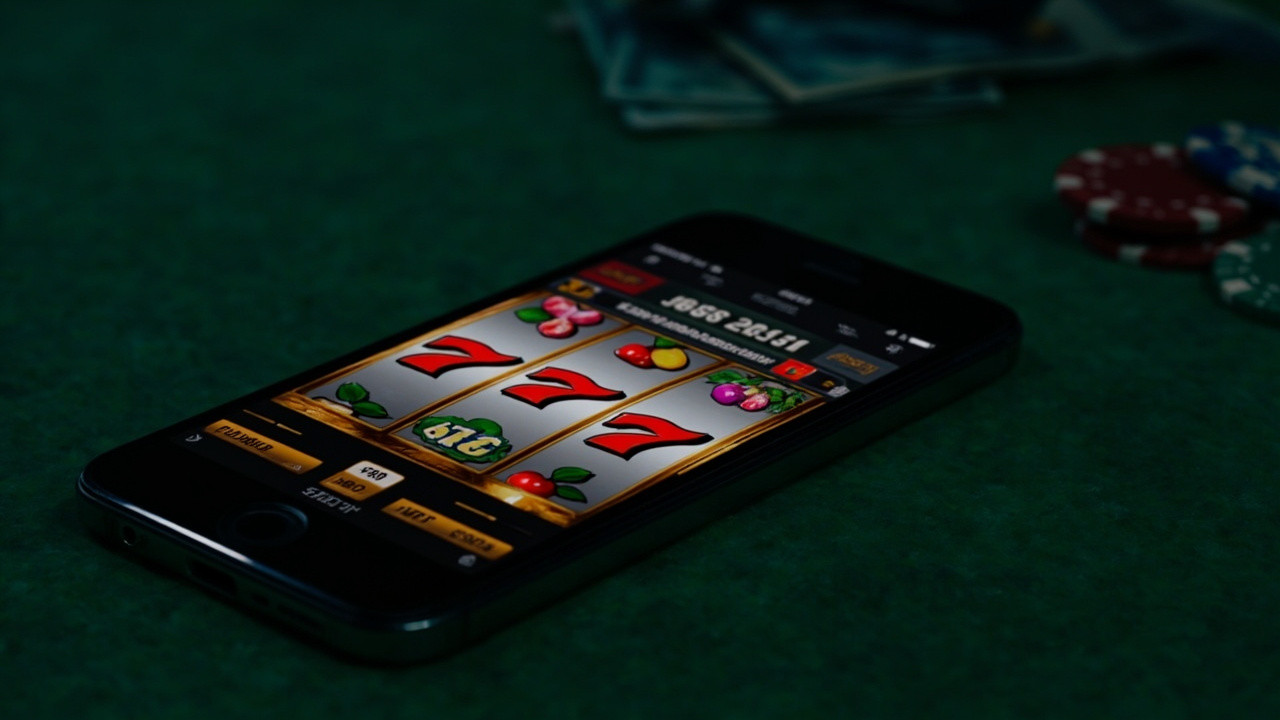
A symbol on a modern pokie is a trigger, not a picture. Each icon carries a weight in the pay table, and the weight decides how often the round returns value. High-variance sets pay less often and swing harder. Low-variance sets pay smaller amounts more regularly. The artwork on the reel is secondary to the math sitting behind it.
Developers change these sets when they adjust the hit frequency or the bonus trigger rate. A fruit set might be replaced with a crystal cluster to alter how the free spins start. A stacked wild can be swapped for a scatter that pays anywhere. The change is visible on the paytable screen before you commit any credit.
Here is a practical check you can run on any machine. Open the help or info screen. Find the pay table. Compare the lowest-paying icon against the highest-paying icon. If the gap is wide, expect longer dry spells. If the gap is narrow, expect smaller but steadier returns. That single comparison tells you more than the theme ever will.
Geelong punters who drive down the Princes Highway know the feeling of a long run between venues. The same patience applies to a screen. You do not judge a symbol set by one spin. You judge it by the pattern across a session.
Why the sets keep changing
Software teams update symbol sets for three reasons. First, they tune the volatility to match a target audience. Second, they adjust the bonus entry rate so the free-spin round lands at a predictable cadence. Third, they refresh the theme to keep the game fresh on the lobby shelf. The public sees the artwork. The operator sees the cycle.
I have watched a venue swap a low-paying symbol pack for a denser fruit set between busy Friday sessions. The crowd did not care about the art. They cared that the machine stopped eating coins so quickly. That is the trade-off. A denser set usually means smaller individual wins. A sparse set means bigger hits but longer waits. Neither is better. They suit different sessions.
Connectivity matters here. A regional player on a patchy broadband line near the Bellarine might load a newer release slower than a Sydney punter on fibre. The symbol set is the same, but the load time changes the feel of the session. A slow refresh can make a volatile set feel worse than it is. Always let the screen finish its cycle before you judge the round.
What punters get wrong
The biggest myth is that a symbol set is locked in for the life of the game. It is not. Developers patch the pay structure, adjust the bonus triggers and sometimes reweight the scatter. A machine that felt loose last month can feel tight this month after a backend update. The artwork may stay identical. The math does not.
Another common mistake is reading the theme instead of the pay table. A pirate ship looks aggressive. That does not mean the icons pay hard. A quiet fruit reel can carry a steeper top line. Judge the round by the numbers on the info screen, not by the artwork on the reel.
A third error is chasing a symbol that just paid. The reels do not remember the last spin. Each round is independent. If you sit down expecting a machine to “owe” you a repeat, you are playing a story, not a schedule. That habit burns credit faster than any bad set.
Reading the paytable properly
Start with the info screen before you put credit in. Find the payout row for the lowest three symbols. Find the payout row for the top symbol. Divide the top figure by the lowest figure. That ratio tells you the spread you are buying into.
Next, check how the bonus starts. Some sets trigger free spins on three scatters. Some require a specific symbol in a specific position. Some use a pick-me bonus that ignores the reels entirely. The entry condition changes how often the round pays, and that changes the feel more than the artwork does.
Then look for the symbol count. A reel with more low-value icons usually slows the base game. A reel with fewer icons usually speeds it up. That is a simple trade-off, and it is the one most punters skip. Ten seconds on the paytable saves ten minutes of guesswork.
Local players who head into a Geelong venue for a quick session before a footy match know the value of a fast read. You do not need a long study. You need the spread, the trigger and the symbol count. Everything else is noise.
Volatility and symbol weight
Volatility is the rhythm of the pay cycle. A high-volatility set holds back and then pays in bursts. A low-volatility set pays small amounts steadily. The symbol set is the main lever that sets that rhythm. A developer can make the same theme feel calm or frantic just by changing which icons sit on the reels.
I judge a set the same way I judge a floor shift. If the crew is thin and the tables are full, I expect longer waits and bigger swings. If the crew is thick and the tables are steady, I expect shorter waits and smaller swings. The reels work the same way. More low icons means more small wins. Fewer low icons means longer dry spells and bigger peaks.
A hypothetical example makes the point. Say you deposit fifty dollars into a session. A high-volatility set might hold that credit for twenty minutes before a single meaningful hit. A low-volatility set might return small amounts every few spins. Neither outcome is a promise. Both are within the design. Pick the rhythm that suits your bankroll and your patience.
Bonus features and symbol shifts
The free-spin round is where the symbol set usually changes most. Developers add expanding reels, stacked icons, multipliers or pick bonuses that do not exist in the base game. A scatter that pays anywhere in the base game might become a sticky wild in the feature. That shift is deliberate. It changes the expected value of the round.
A pick-me bonus is the clearest example. You choose a card, a shell or a token. Each option holds a different prize. The symbol set in that round is not on the reels at all. It is hidden behind the pick. That is why two players can sit at the same game and experience two different rounds.
A multiplier symbol can also appear only in the feature. A base game might pay one-to-one on a line. The free-spin round might pay two-to-one or three-to-one on the same line. That change is the whole point of the feature. It is not a bonus for show. It is a different pay structure wearing the same theme.
Payment methods and what they change
The way you fund a session changes how you run it. A card deposit settles quickly and lets you start straight away. An e-wallet can move faster on some providers but may carry its own limits. A prepaid voucher locks the session to a fixed amount, which suits a disciplined bankroll. Each method has a trade-off in speed, limit and control.
The table below shows the practical differences. It is not a ranking. It is a quick reference for how each method behaves when you are sitting down to a session.
| Method | Speed to fund | Typical limit feel | Best use case |
|---|---|---|---|
| Credit or debit card | Minutes, depending on issuer | Higher ceiling, depends on card | Sessions where you want a full bankroll ready |
| E-wallet | Fast on most providers | Varies by account balance | Quick top-ups between rounds |
| Prepaid voucher | Immediate once loaded | Fixed by the voucher value | Tight bankroll control |
A punter near the Bellarine who travels into town for a session might prefer a voucher so the night has a hard ceiling. A player who tops up from a phone on the couch might prefer an e-wallet for speed. The method does not change the symbol set. It changes how you manage the session around it.
What this means for Australians
The practical takeaway is simple. Do not trust the theme. Read the paytable. Check the trigger. Pick the rhythm that suits your bankroll. Treat the symbol set as a working part, not a pretty picture.
Australian players face two real constraints. Regional internet on the Surf Coast can load a newer release slower than a city fibre line, and that slow load can make a volatile set feel worse than it is. Travel to a physical venue still matters for many punters, because a drive down the Princes Highway or across the bay to a Geelong club is a deliberate session, not a quick tap. Plan for the drive, the load time and the session length, not just the spin.
If you want a proper read on how the math sits behind the screen, the national gambling research centre keeps a useful public record of study on player behaviour and game design. That is the kind of background that helps you separate a theme from a pay cycle.
The same discipline applies online. A quick look at the paytable before you commit credit is the difference between a planned session and a guess. The book of dead casino sits in the middle of that habit, because the symbol set there shifts between the base game and the feature in a way that rewards a proper read. Check the scatter. Check the multiplier. Then decide whether the rhythm suits the night you have in front of you.